
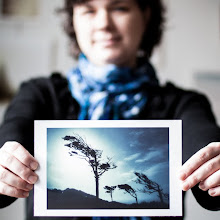


Lessons from Abroad: Join the Blogosphere
Wow! We’re down to the last of my five lessons from abroad, to help you find your passion and purpose. The final lesson I want to share is: Join the Blogosphere.
My blog and participation in the blogosphere has been a key part of my personal journey to discover my passion and purpose, in ways that I could have never imagined when I began it in 2008. I want to talk about the two parts of joining the blogosphere that have really helped me, and show you how they can help you also find your direction.
The first part of joining the blogosphere is writing your own personal blog. This can seem daunting for a number of reasons. You are putting yourself out there in a public way - other people can read and comment on your ideas – that can be scary. You may be worried no one will want to read it. You may be overwhelmed with the idea of having something to say or share on a regular basis. You may be confused by all of the technology options, what you think you need to know technically in order to have a blog.
There are a lot of reasons to be fearful of starting a blog – but one very good reason to do it: There is no better way to get aligned with your true passion. The only way to sustain a blog long term is to write about something that you are passionate about, this is an important truth of blogging. If you are not passionate about what you write, it will not feed your soul. You may maintain it for a while but you will eventually then lose interest, drop out.
It may take a while to find your voice and topic for your blog, you might start and stop several times in writing your blog, even start and stop several different blogs. That is entirely normal, if you read the stories of long term bloggers. Finding your voice takes experimentation. You may try on different topics randomly, and have no single direction. But in the experimentation and the seemingly random blog posts, a theme may begin to emerge. You start line of conversation that you sustain for a long period of time. When this happens, it becomes easy, quite pleasurable even, to write regularly. Guess what – you are tapped into your true self, and your passion is starting to emerge. Go with it, wherever it leads.
I started my blog when I applied for this job that brought me to Italy. I thought it would be a good way to keep family and friends back home updated on what was going on, if I got the job. After moving, I found that I wasn’t able to sustain that kind of “update” blogging – I just wasn’t that interested in writing about our daily lives. After a friend pestered me to update my blog, I decided to start posting something I was interested in – a photo every day from our European travels. I would pick a favorite and then write a few words of description along with it. With that, I struck gold. As I selected the photos and wrote about them, I started to learn more about my art form and my creative process. I started to notice and write about what creativity and photography brought me at a deeper level. I started to recognize my passion, through the writing I was doing on my blog. The passion that I now realize was already there, just waiting to be noticed.
There are as many different ideas of what blogs are or are not about as there are bloggers. You will find a whole range of types of blogs on the internet. Here’s my definition, now that I’m established and looking back, and this might be a place to start if you want to begin a blog as a tool to help you find your passion.
My blog is…
A place to explore topics that interest me
A place to share my art and what it means to me
A place to share my experiences and what the personal insights I gain from them
A public place, where anyone (even my son or my boss) might read it
A place to positively connect with other people on the internet
Written from a place of honesty and heart
My blog is not…
A personal journal of all of my unfiltered emotions
A record of events
A place to vent or talk negatively
Written for show or to meet other’s expectations
If you don’t have a blog yet, there are many free options available to try it out. You can be unlisted or anonymous or use a pseudonym if you’re worried about the “public” aspects of it. The important thing is to write honestly, consistently, and about what interests you. Keep following the trail of what you seem to want to write about - your passion lies at the end of that trail.
The second way the blogosphere helps to find your passion and purpose is through participation. The blogosphere is not a one way conversation, where you put yourself out there in a vacuum. It may start out that way, but to truly expand the experience, it should be a two way conversation. Once you are consistently writing on your blog, beginning to find your voice and style and topic, it’s good to reach out to others who may have similar interests.
There are so many blogs and websites out there, it seems overwhelming at first. When you start to narrow down your focus and interest though, you start to see that there are smaller communities within the giant internet community. You might start with a keyword search, and see what you find on your area of interest. From there, you start reading the blogs you find. These might lead you to other blogs or articles, resources you didn’t ever realize existed. Once you get brave and leave a comment on someone else’s blog, you might find that you get a comment or reply back. You start to build a community, through your interactions. You find new resources, you expand your network.
Why would you want to do that? It might seem silly, to look to expand your network or build a community if you are just trying to find your personal passion. But each interaction you have, makes you think. You further define and refine your thoughts as you read ideas and have a conversation with others in the blogosphere. The others you run into have thoughts or experiences or insights that are valuable to you as you progress on your journey. What someone else writes may completely resonate or make clear an idea you are struggling with, or vice versa.
My experience with participation in the blogosphere has been extremely positive and crucial to my discovery of passion and purpose. There have been multiple times that a comment on something I wrote on my blog came along at exactly the right time to help me understand myself in a different way. I’ve had others tell me the same of comments I’ve left them, or blog posts I’ve written. In my exploration of the virtual world, I’ve found other like-minded individuals and true friendships that cross all of the borders and boundaries that exist in the real world. As I’ve started to participate, I’ve followed trails to new people and sites and resources that have, over time, let me toward my passion and purpose.
Would I have started the blog if I didn’t move to Italy? Probably not. I didn’t “get” blogging before, I didn’t want to spend a lot of time on the computer because that felt like “work.”That was before I recognized the real connections – both to my true self and to others – that joining the blogosphere can bring.
My Passion and Purpose
With all of these lessons on how to find your passion and purpose, are you still wondering what mine are?
My passion is photography as an art form and an expression of my self. I have a personal mantra that I created some time ago, through writing on my blog:
I am an artist, my medium is photography, and I have a unique vision to show the world.This statement is continually being refined as I change and grow, but that’s my passion at the core.
My purpose right now is to help others to see that they too have a unique vision to show the world, through whatever their art or passion is. We all have creativity inside of us, but we spend too much of our time comparing and limiting ourselves, or focusing on just living in the established routine.
I’ve started down this journey of fulfilling my purpose by creating my first ever e-course: Find Your Eye: A photo course with heart and soul
All this clarity came through the personal practice of the Lessons from Abroad I’ve shared with you. Pretty cool, huh?
(Photo is from Venice, Italy)


